
Common Misconceptions About Soccer Refereeing and How to Overcome Them


Understanding the Role of Soccer Referees
Soccer referees often find themselves at the center of controversy during matches. Many fans and players hold misconceptions about their roles and responsibilities. Understanding the true nature of refereeing can help us appreciate the challenging job these officials undertake.
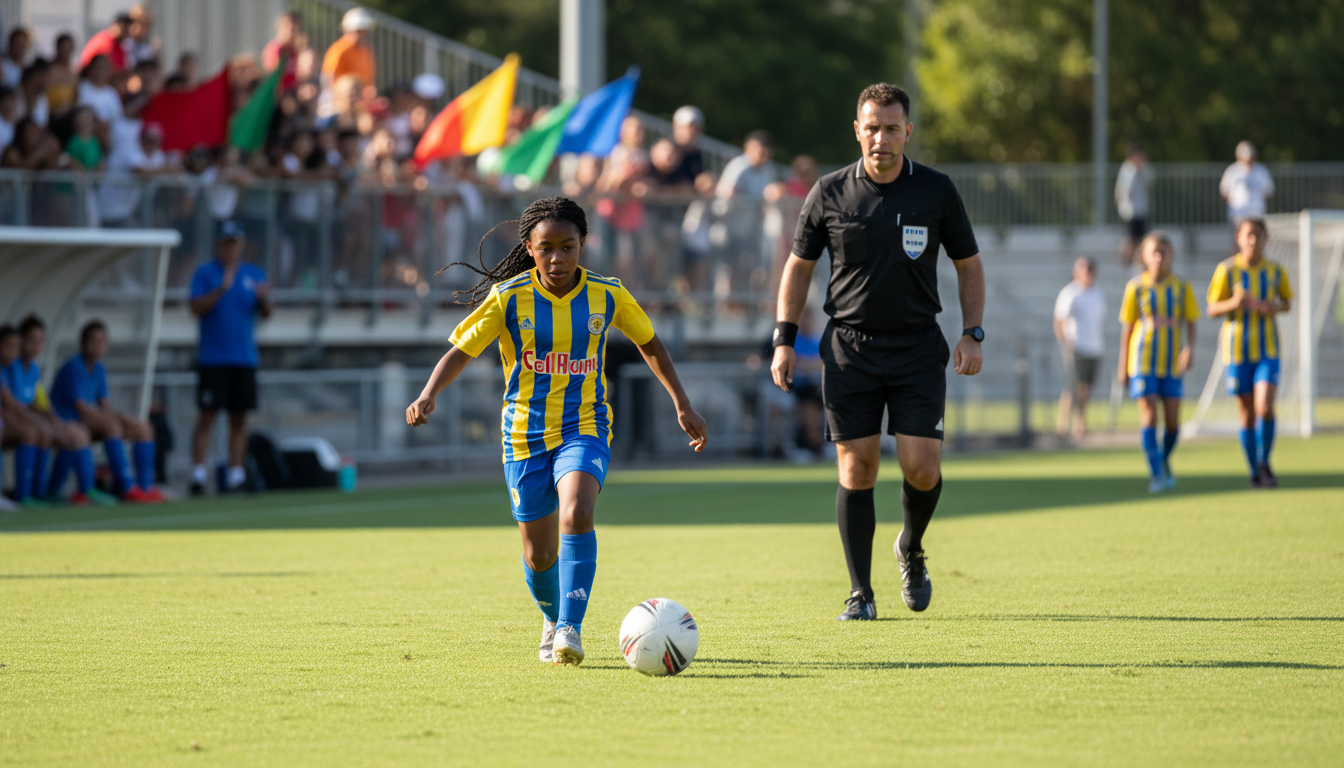
Misconception: Referees Are Biased
A common belief is that referees are biased, favoring one team over the other. However, official referees undergo rigorous training and evaluation to ensure impartiality. They are professionals dedicated to maintaining fairness on the field.
To overcome this misconception, it's essential to recognize the stringent certification processes referees undergo. These include assessments of their decision-making abilities and understanding of the game rules.
Misconception: Referees See Everything
Another misconception is that referees are expected to see every incident on the field. In reality, they rely on their positioning, assistant referees, and sometimes video technology to make accurate decisions.

Misconception: Referees Don't Face Consequences
Many believe referees face no repercussions for mistakes. However, referees are reviewed after matches, and consistent errors can lead to demotion or suspension from officiating future games.
Fans can overcome this misconception by learning about the accountability systems in place, which ensure referees maintain high standards.
Improving Understanding of Referee Decisions
To bridge the gap between referees and the public, education is key. Here are some ways to enhance understanding:
- Attend workshops or seminars on the rules of soccer.
- Engage with content from former referees who explain their decisions.
- Watch games with a focus on the referee's positioning and decision-making process.
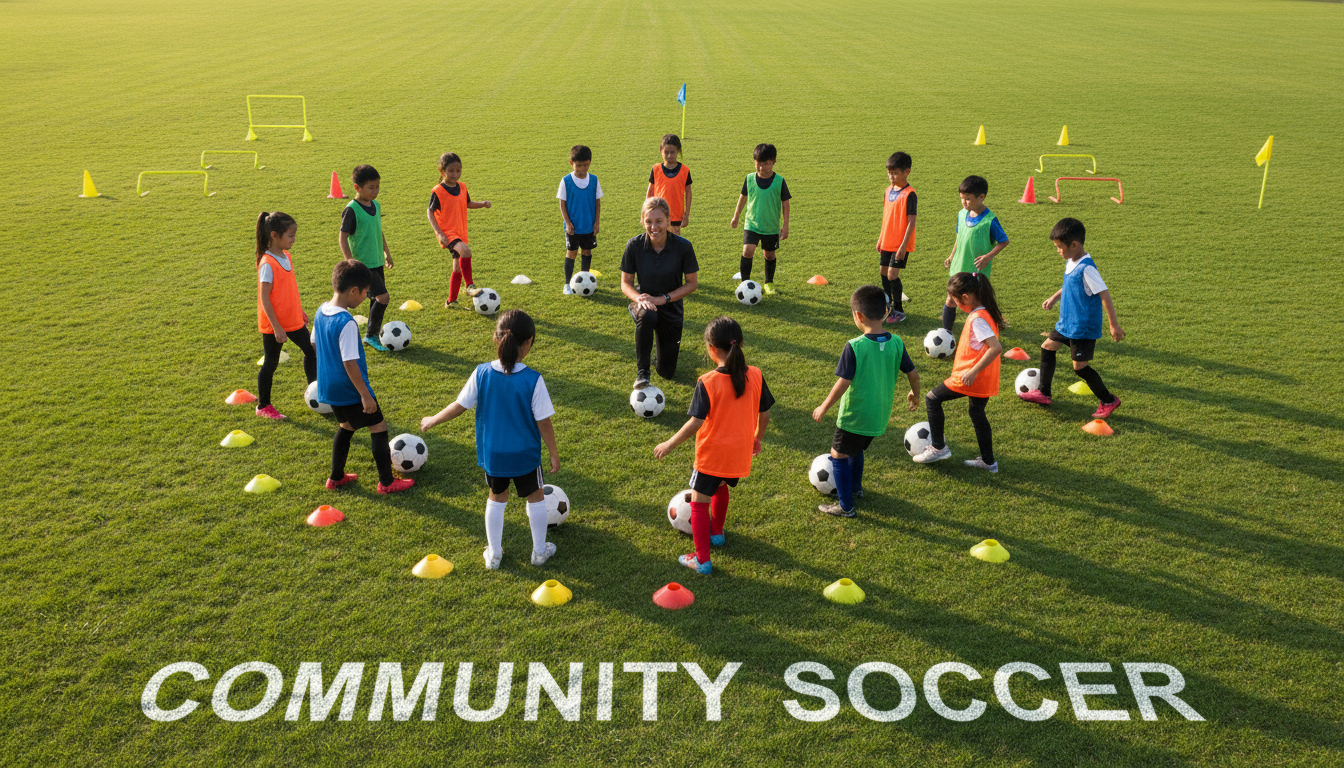
Embracing Technology
Technological advancements like VAR (Video Assistant Referee) have been introduced to aid referees. While not perfect, these tools help reduce human error and improve decision accuracy.
Understanding how technology supports referees can change perceptions about their role and enhance appreciation for the game.
Conclusion
By addressing these misconceptions, we can foster a more supportive environment for soccer referees. Recognizing their expertise and the complexities of their role enriches our experience as fans and players. Let's celebrate the unsung heroes who ensure the game is played fairly and with integrity.