
Debunking Common Myths About Being a Soccer Referee


Introduction
Being a soccer referee is often misunderstood. Many myths surround the role, leading to misconceptions about what referees do and how they impact the game. In this post, we will debunk some of these common myths and shed light on the real challenges and responsibilities of a soccer referee.
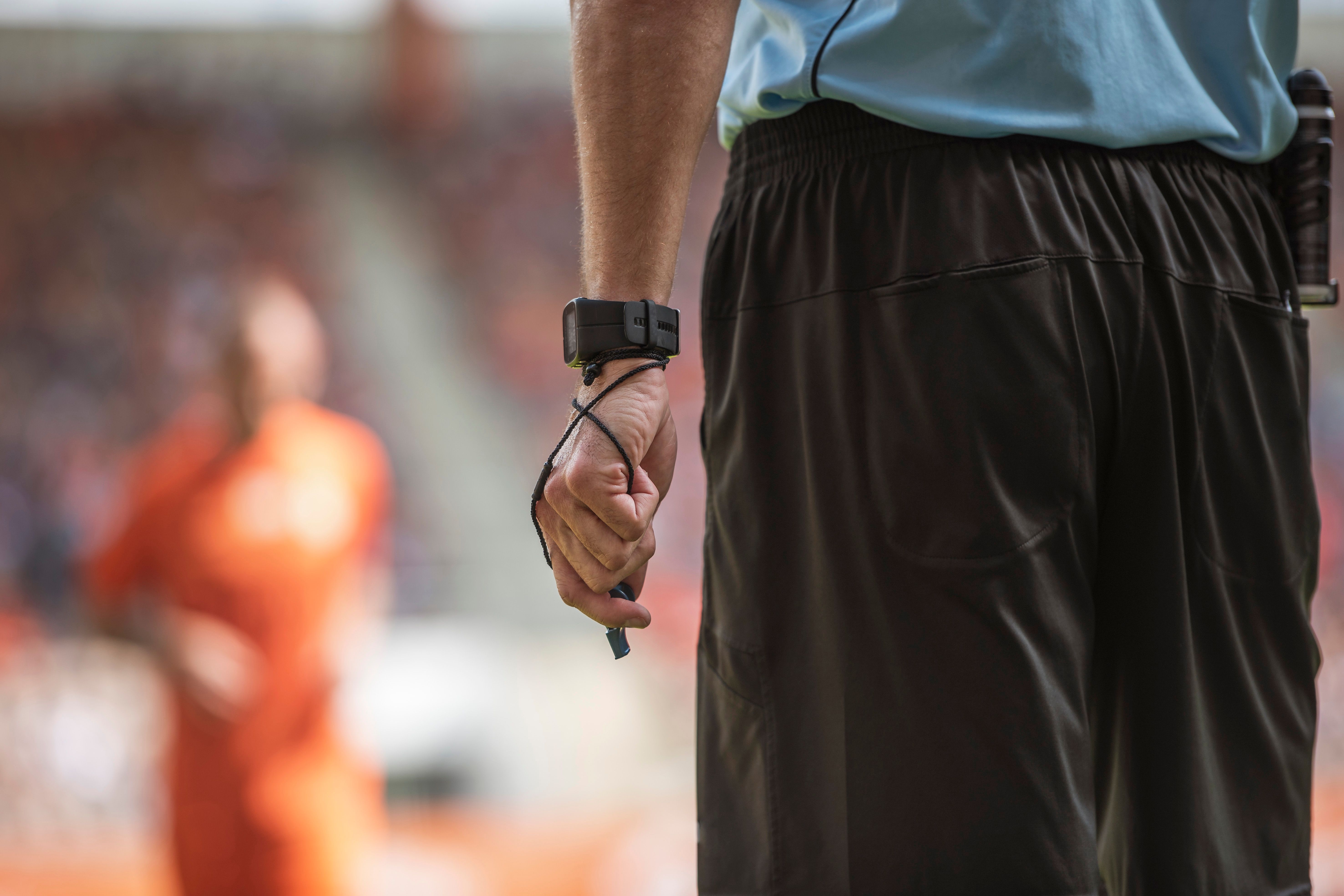
Myth 1: Referees Are Biased
One of the most pervasive myths is that referees are biased. While it's easy to assume favoritism when decisions don't go your team's way, referees are trained to remain impartial. They undergo rigorous training and are constantly evaluated to ensure they adhere to the highest standards of fairness.
It's important to remember that referees are human and can make mistakes. However, these are rarely due to bias but rather the fast-paced nature of the game.
Myth 2: Referees Don't Need to Be Fit
Another common misconception is that referees don't need to be physically fit. In reality, refereeing a soccer match requires excellent physical conditioning. Referees often run several miles during a game, keeping up with the fast pace of play to make accurate decisions.

Referees undergo fitness tests regularly to ensure they are capable of maintaining the required pace and stamina throughout the match.
Myth 3: Referees Have It Easy
Many people believe that being a referee is an easy job, but this couldn't be further from the truth. The role requires quick decision-making, a deep understanding of the game, and the ability to handle pressure from players, coaches, and fans.

The level of scrutiny and criticism referees face can be intense, making their job both challenging and demanding.
Myth 4: Referees Are Solely Responsible for Decisions
While referees make the final call, they are not alone in their decision-making. They rely on a team of assistant referees and, in many leagues, video assistant referees (VAR) to provide additional perspectives and information.
- Assistant referees help with offside calls and fouls.
- VAR assists with critical decisions like goals, penalties, and red cards.
This collaborative approach ensures that decisions are as accurate and fair as possible.
Conclusion
Understanding the realities of being a soccer referee helps dispel the myths and appreciate the vital role they play in the game. Referees are essential to the integrity and enjoyment of soccer, and their commitment to fairness and accuracy is something to be respected.