
Debunking Common Myths About Soccer Refereeing


Introduction to Soccer Refereeing
Soccer refereeing often comes under scrutiny, with many myths clouding the true nature of the role. Understanding the responsibilities and challenges faced by referees can foster greater respect and appreciation for their crucial contribution to the game.
From accusations of bias to the misconception of decisions being arbitrary, it's time to debunk some common myths about soccer refereeing.
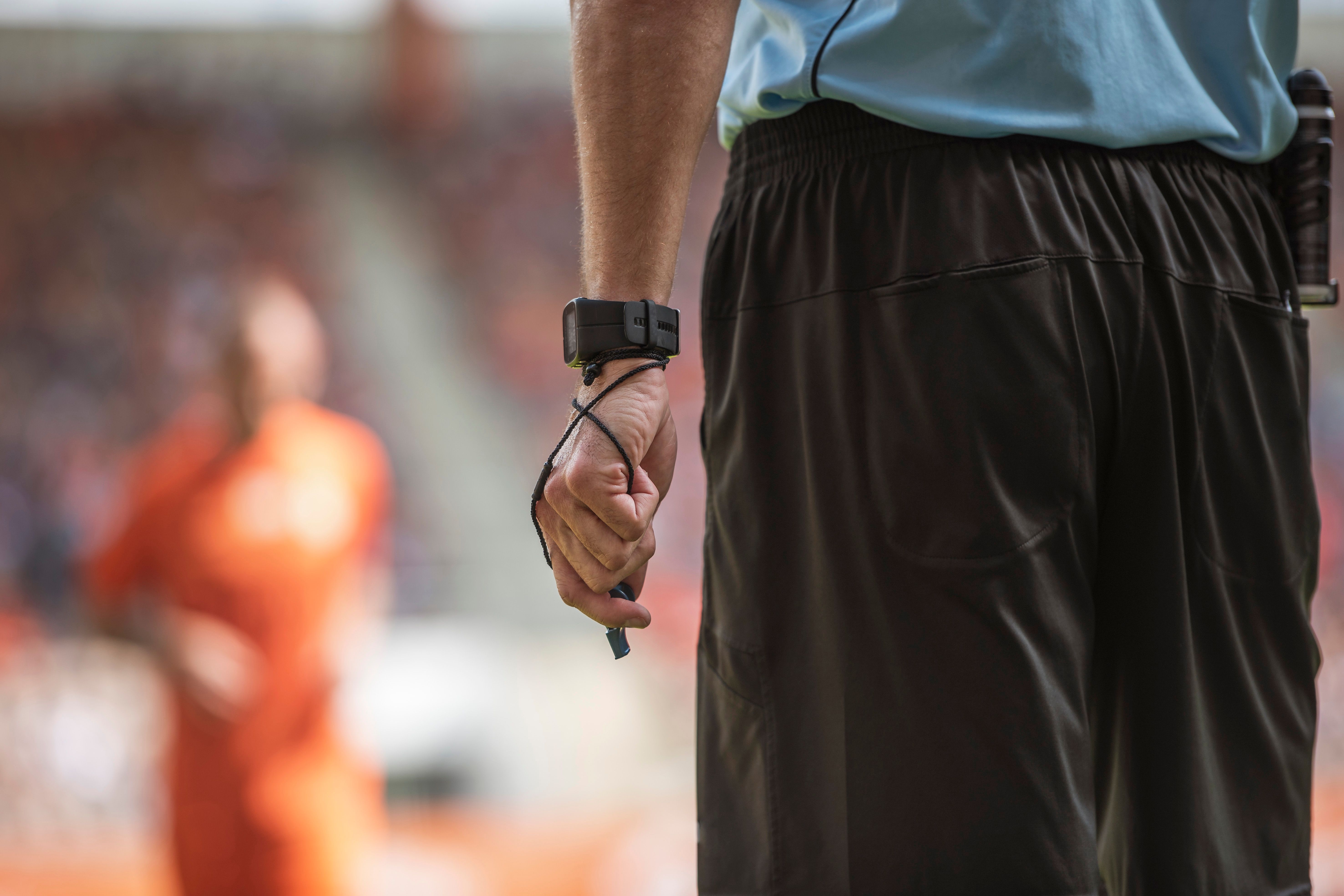
Myth 1: Referees Are Always Biased
A popular myth is that referees have personal biases that influence their decisions. The reality is that referees undergo rigorous training and assessment to ensure impartiality. They are committed to upholding the integrity of the game above all else.
While human error can occur, suggesting deliberate bias undermines the professionalism and dedication of referees.
Myth 2: Referees Don’t Understand the Game
Another misconception is that referees lack a deep understanding of soccer. In fact, many referees are former players or have extensive experience in the sport. This background helps them make informed and fair decisions.

Their grasp of the game’s dynamics is crucial for interpreting rules and managing the flow of the match effectively.
Myth 3: Video Technology Eliminates All Mistakes
While technology like VAR (Video Assistant Referee) aids decision-making, it is not infallible. Critics often assume that the introduction of video technology should eliminate all errors, but human interpretation is still required.
Referees use technology as a tool to enhance accuracy, but it cannot replace the nuance and judgment needed in real-time scenarios.

Myth 4: Referees are Infallible
On the flip side, some people expect referees to be perfect. It’s important to remember that refereeing is a demanding job, with split-second decisions being made under pressure. Mistakes can happen, just as players can miss a shot or make a bad pass.
Recognizing the human element in refereeing can lead to more realistic expectations and greater empathy for their role.
Myth 5: Refereeing is a Thankless Job
Many believe that referees receive little appreciation for their efforts. While they often face criticism, the respect and gratitude from those who understand the complexities of their job can be substantial.

Efforts to educate fans and players on the challenges of refereeing can help shift perceptions and foster a more supportive environment for referees.
Conclusion
Debunking these myths is essential for cultivating a culture of respect and understanding within soccer. By acknowledging the skills and challenges involved in refereeing, fans and players alike can appreciate the vital role referees play in maintaining the spirit and fairness of the game.
Next time you watch a match, take a moment to appreciate the difficult task referees have and the effort they put into making the game enjoyable for everyone.