
Debunking Common Myths About Soccer Refereeing


Understanding the Role of Soccer Referees
Soccer referees often find themselves at the heart of controversial debates and misconceptions. In this blog post, we aim to debunk some common myths about soccer refereeing, shedding light on the true nature of their role and responsibilities.
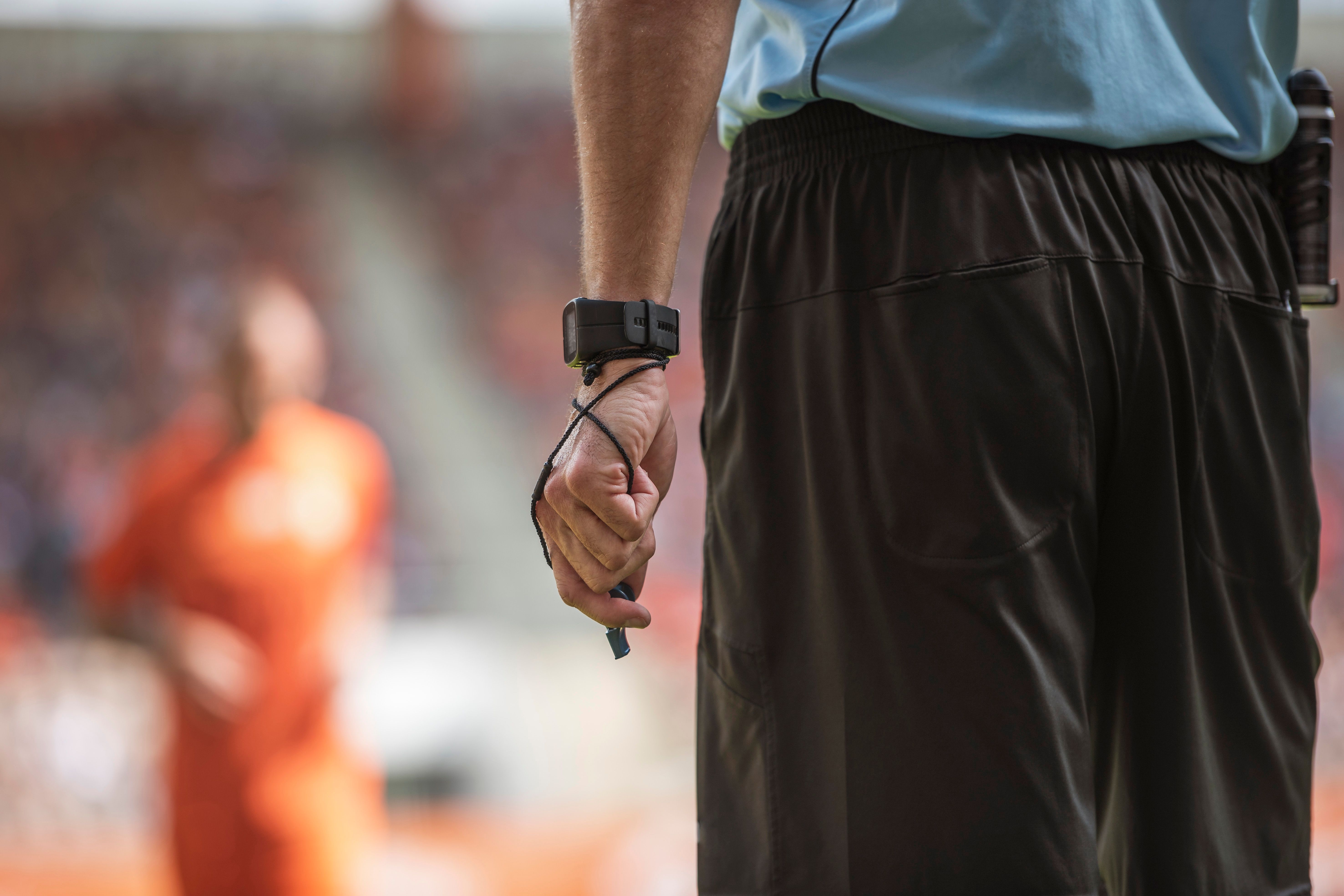
Myth 1: Referees Are Biased
One of the most pervasive myths is that referees are biased towards certain teams. In reality, referees are trained to maintain impartiality. They undergo rigorous training and evaluation to ensure that their decisions are based solely on the rules of the game.
While mistakes can happen, it's important to recognize that these are often due to human error rather than intentional bias. The introduction of technology like VAR (Video Assistant Referee) further aids in minimizing errors.
Myth 2: Referees Don't Understand the Game
Another common misconception is that referees lack an understanding of the game. On the contrary, referees are often former players or individuals with a deep passion for soccer. Their training includes not only the laws of the game but also practical experience on the field.
This combination of theoretical knowledge and practical skills equips them to make informed decisions during matches.

Myth 3: Referees Are Resistant to Technology
Some believe that referees are reluctant to embrace technology. However, the reality is quite the opposite. The introduction of technology like goal-line technology and VAR has been a collaborative effort between referees and governing bodies to enhance the accuracy of decisions.
These tools have significantly reduced the margin for error, proving that referees are open to using technology for the benefit of the game.
Myth 4: Referees Have Easy Jobs
Many fans underestimate the physical and mental demands placed on referees. Refereeing a soccer match requires exceptional fitness, quick decision-making, and the ability to handle pressure. Referees cover a substantial distance during a game, often matching the distance run by players.
The mental agility required to make split-second decisions under pressure is immense, making refereeing a challenging role.

Conclusion
Soccer referees play a crucial role in upholding the integrity of the game. By debunking these myths, we can appreciate the dedication and professionalism that referees bring to every match. Understanding their perspective helps foster respect and reduces unwarranted criticism.
As fans, acknowledging the challenges referees face can lead to a more positive and supportive environment in the soccer community.