
Demystifying Common Misconceptions About Soccer Referees


Understanding the Role of Soccer Referees
Soccer is a sport loved by millions around the world, but few aspects of the game are as misunderstood as the role of the referee. These officials are often the subject of debate, criticism, and even controversy. However, their role is crucial to the game's integrity and flow.
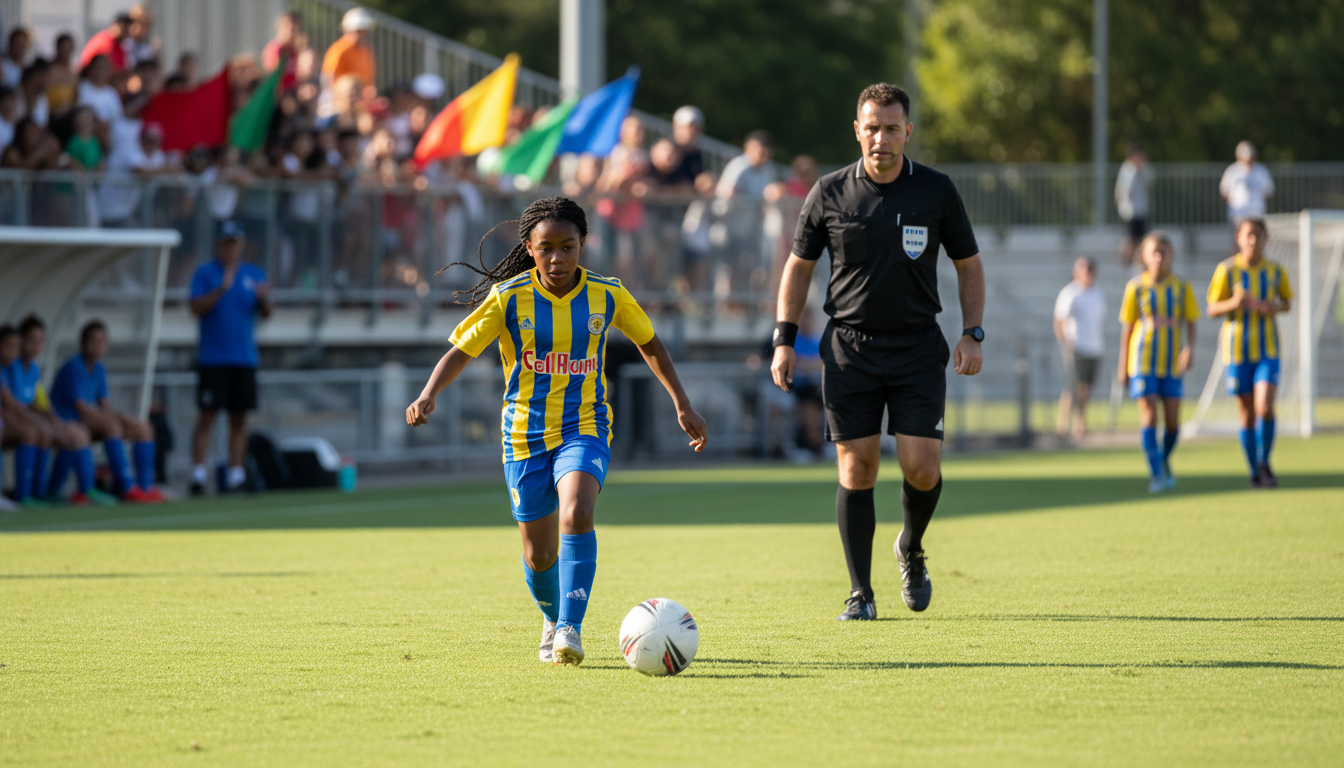
Referees Make Decisions in Real-Time
One common misconception is that referees have the luxury of time when making decisions. In reality, they must make split-second judgments during fast-paced matches. Unlike fans and commentators who can replay an incident from multiple angles, referees rely on their positioning and experience to make instantaneous calls.
To aid them, referees follow a structured set of rules, but the interpretation can be subjective. This subjectivity leads to varied opinions, but it is an essential part of the human element in sports.
The Training and Certification Process
Another myth is that referees lack proper training. Contrary to this belief, referees undergo rigorous training and certification programs. They must pass physical fitness tests, attend workshops, and gain experience in lower leagues before officiating at higher levels.
Additionally, referees are continually assessed and must keep up with rule changes. This ongoing education ensures they remain well-versed in the latest developments in the sport.
Handling Pressure and Criticism
Referees often face intense scrutiny from fans, players, and coaches. This pressure can lead to the misconception that referees are biased or inconsistent. However, it is important to recognize that they are human and can make mistakes.
Many referees are motivated by a passion for the game, striving to be fair and impartial. They must maintain composure in high-stakes situations, a skill that requires mental toughness and resilience.
Technology’s Role in Modern Officiating
With the advent of technology like VAR (Video Assistant Referee), some believe that referees are becoming obsolete. In truth, technology serves as a tool to assist referees, not replace them. VAR helps clarify contentious decisions, but the final call still rests with the on-field referee.
The integration of technology highlights the complexity of officiating and underscores the importance of human judgment in interpreting the nuances of the game.
Conclusion: Appreciating the Referee’s Contribution
Referees play an indispensable role in soccer, and understanding their challenges can lead to greater appreciation for their work. By debunking these common misconceptions, fans can foster a more respectful and informed view of these essential figures in the sport.
In the end, referees uphold the spirit of the game, ensuring that soccer remains a fair and exciting sport for everyone involved.