
Myth-Busting: Common Misconceptions About Soccer Refereeing


Understanding the Role of Soccer Referees
Soccer referees often find themselves at the center of controversy, but their role is crucial to the integrity of the game. Despite their importance, many misconceptions about refereeing persist. In this post, we'll address some of these misunderstandings to shed light on the true nature of a referee's job.
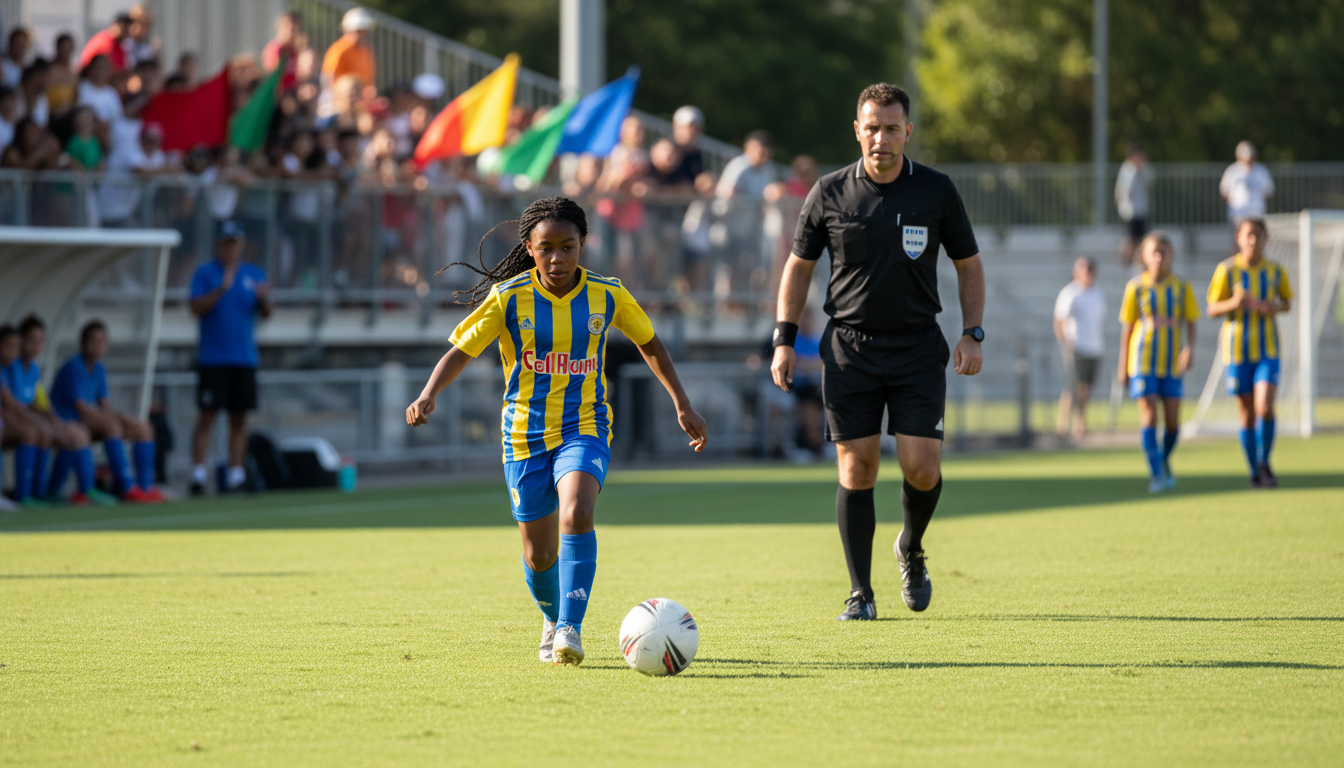
Referees Are Biased
One of the most common myths is that referees are biased or favor certain teams. While it's true that referees are human and can make mistakes, they undergo rigorous training to ensure impartiality. Their decisions are based on their interpretation of the rules, not personal preference.
Modern technology, such as VAR (Video Assistant Referee), further aids in maintaining fairness by reviewing decisions that are particularly contentious. The introduction of such technologies is a testament to the ongoing effort to minimize human error.
The Complexity of Decision Making
Another misconception is that referees are simply there to blow a whistle and enforce rules. In reality, their role is much more complex. They must make split-second decisions while considering numerous factors, such as player intent and game dynamics.

Referees Don't Need to Be Fitness Buffs
Contrary to what some might think, refereeing requires significant physical fitness. Referees often cover more ground than some players during a match, ensuring they are in the best position to make accurate calls. This demands excellent endurance and agility.
Fitness tests and regular assessments are part of a referee's routine, ensuring they can keep up with the fast pace of the game. Their physical capabilities are crucial to their ability to oversee the match effectively.
The Rules Are Simple
Many fans believe that soccer rules are straightforward, leading to frustration when calls don't go their way. However, the rules of soccer are nuanced and can be interpreted differently depending on the situation. This requires referees to have a deep understanding of the game.

Refereeing Is Not a Full-Time Job
It's a common misconception that refereeing is just a part-time gig. For many, especially at the professional level, it is a full-time career. Referees dedicate countless hours to training, studying rule changes, and analyzing match footage to improve their skills.
This dedication ensures they are well-prepared to handle the pressures of officiating at the highest levels, contributing to the overall quality of the sport.
Conclusion
Soccer referees play a vital role in maintaining the spirit and fairness of the game. By understanding the challenges and complexities they face, fans can appreciate the hard work and dedication required to officiate effectively. Dispelling these myths helps foster respect and support for those who uphold the integrity of soccer.