Seasonal Challenges for Soccer Referees in San Diego


Adapting to Weather Conditions
San Diego is known for its pleasant climate, but seasonal changes can still present challenges for soccer referees. During the summer months, the heat can be intense, making hydration and sun protection essential. Referees must wear lightweight clothing and apply sunscreen to avoid sunburn and heat exhaustion. In winter, although mild, rain can lead to slippery fields, requiring referees to be extra vigilant about player safety.
Another consideration is the wind, which can affect the trajectory of the ball and the players' visibility. Referees need to be aware of these conditions and adapt their positioning and decision-making accordingly. It is crucial for referees to maintain communication with players and coaches about any weather-related adjustments.

Managing Player and Coach Expectations
Each season brings different expectations from players and coaches. During the competitive fall season, emotions can run high, and referees must be prepared to manage disputes with confidence and calmness. Clear communication and consistent decision-making are key to maintaining control of the game.
In contrast, spring typically involves more developmental leagues where teaching moments are frequent. Referees should focus on providing guidance and explanations to younger players, helping them understand the rules and the spirit of the game.

Handling Increased Game Frequency
During peak seasons, referees might find themselves officiating multiple games in a day or week. This can lead to physical and mental fatigue, impacting their performance on the field. It is vital for referees to maintain their fitness levels and manage their schedules effectively to avoid burnout.
Proper rest, nutrition, and recovery strategies are essential to sustain energy levels throughout the season. Referees should also engage in regular training sessions to refine their skills and stay updated on rule changes.
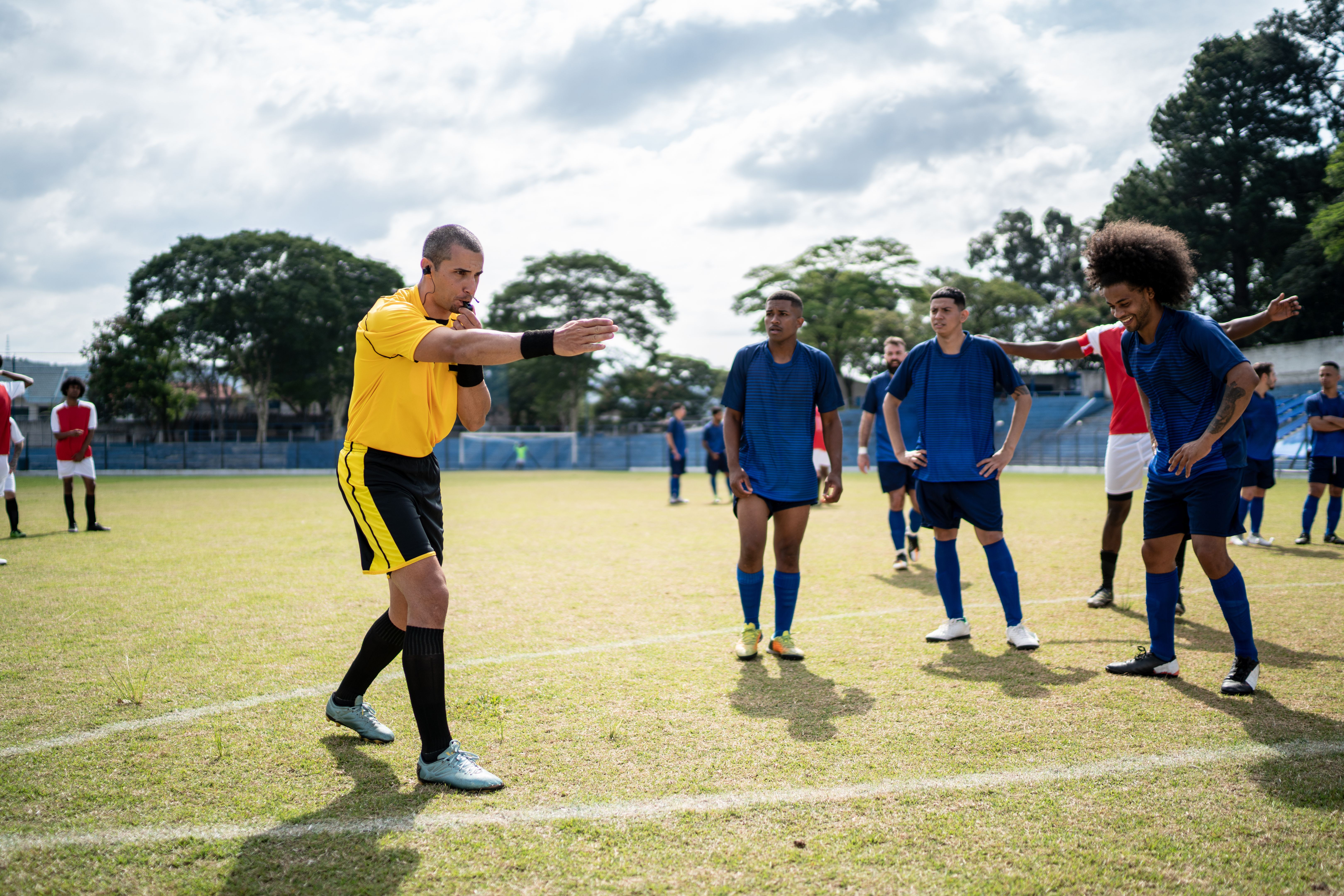
Dealing with Field Variations
San Diego offers a variety of soccer fields, from pristine turfs to more rugged community pitches. Each field presents unique challenges, such as uneven surfaces or varied dimensions. Referees must adapt their positioning and observation techniques to suit the specific characteristics of each field.
Understanding the nuances of different fields helps referees anticipate potential issues, such as irregular ball bounces or player footing problems, ensuring they can make accurate and timely decisions.
Embracing Technology and Innovation
With the advent of technology, referees now have access to tools that can enhance their performance. From electronic flags to communication devices, these innovations can help referees stay connected and make more informed decisions. Embracing these technologies ensures that referees can keep up with the fast-paced nature of modern soccer.
However, it is also important for referees to balance technology with traditional skills, ensuring they remain adaptable and versatile in various game situations.