
The Ultimate Guide to Scheduling Soccer Referee Games in San Diego


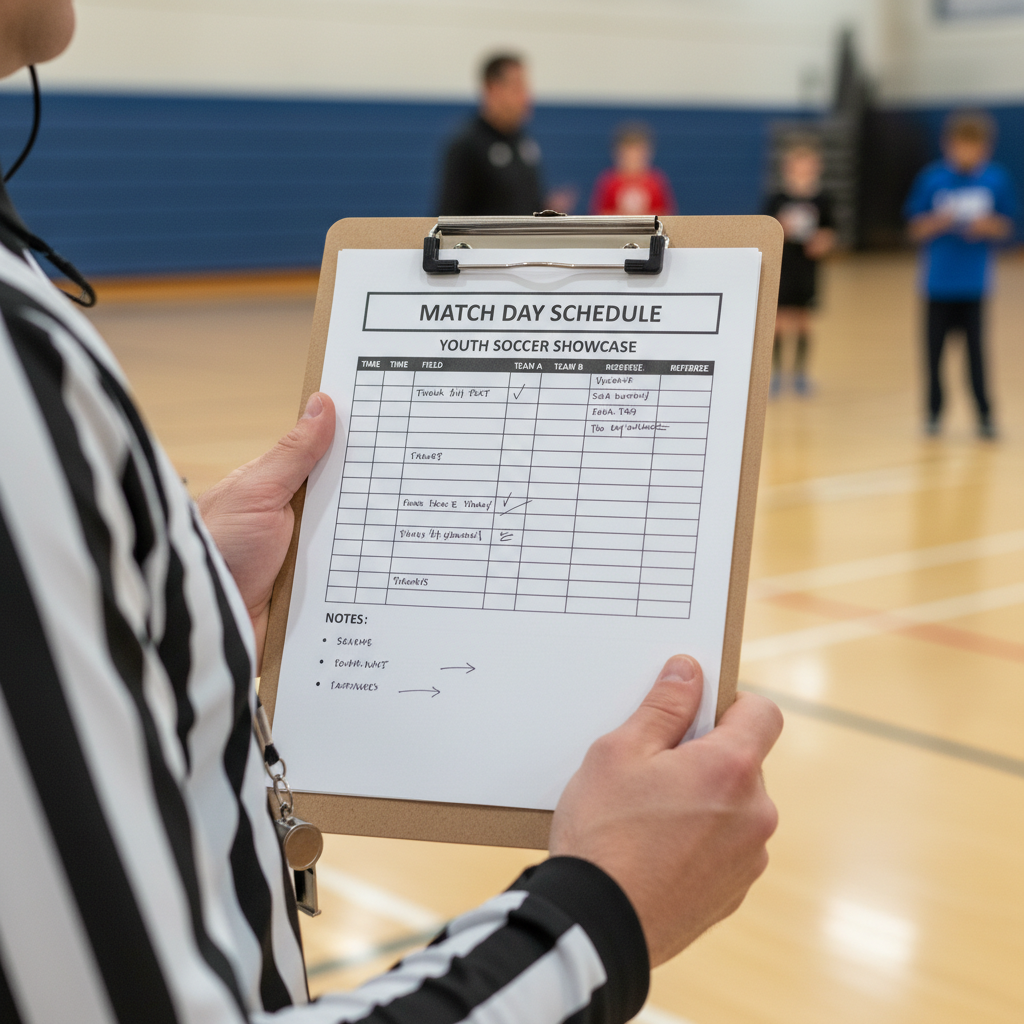
Organizing soccer referee schedules can be a daunting task, especially in a bustling city like San Diego. With numerous leagues, age groups, and fields, the complexity of scheduling can quickly escalate. This guide will help you navigate the ins and outs of scheduling soccer referee games efficiently.
Understanding the Landscape
San Diego hosts a wide variety of soccer leagues, from youth to adult and recreational to competitive. Each league has its own set of requirements, including match times, field locations, and referee qualifications. Understanding these requirements is crucial for effective scheduling.

Begin by compiling a list of all the leagues and their respective needs. This will serve as the foundation for your scheduling process. Ensure that you have clear communication with league coordinators to get the most up-to-date information.
Utilizing Technology
Modern technology can streamline the scheduling process significantly. Using specialized software can reduce errors and save time. Look for platforms that offer features like automated scheduling, conflict detection, and real-time updates.
Benefits of Scheduling Software
- Automation: Automatically assign referees based on availability and qualifications.
- Conflict Management: Identify and resolve scheduling conflicts quickly.
- Accessibility: Provide referees with easy access to their schedules via mobile apps.
Building a Referee Pool
A strong pool of referees is essential for successful scheduling. Focus on recruiting and retaining qualified referees by offering competitive pay, training opportunities, and clear communication.
Consider hosting workshops or seminars to enhance referee skills and knowledge. This not only improves the quality of officiating but also fosters a sense of community among referees.
Communication and Flexibility
Effective communication is key to managing any scheduling system. Ensure that referees are informed about their schedules well in advance. Use email, SMS, or app notifications to keep them updated on any changes.

Flexibility is also crucial. Be prepared to make last-minute adjustments due to unforeseen circumstances such as weather or referee availability. Having a backup plan can help mitigate disruptions.
Feedback and Continuous Improvement
After each season, gather feedback from referees and league coordinators to identify areas for improvement. This input can help refine the scheduling process, making it more efficient and effective over time.
Consider implementing a feedback system that allows for anonymous suggestions. This can encourage more honest and constructive input, ultimately leading to better scheduling practices.